 Fashion News
Ugg × JW Anderson and Fashion’s Comfort Conversation
By Toni Mela
GANNI and lululemon have brought dance references into a collaboration that crosses clothing, accessories and footwear.
 WORDS BYJohn BlosteOctober 21, 2026
GANNI and lululemon have brought dance references into a collaboration that crosses clothing, accessories and footwear. According to lululemon's announcement, published on October 8, the 22-piece collection launched on October 15, 2026. The brand identifies movement and 1980s dance films as sources of inspiration, with details including leopard print, ruffles, leg warmers, boleros and headbands. That establishes the launch and its stated design direction. It does not, by itself, tell a shopper which pieces will work in an everyday wardrobe.
The more interesting question is how dancewear travels beyond the activity that gives it meaning. A layer originally associated with warming up can become a way to frame a dress. A close-fitting top can change the balance of generous trousers. A decorative detail can make a practical garment feel more expressive. The collaboration provides a timely example of that exchange, but the styling ideas can be considered independently of buying anything from it.
Clothes acquire meaning from where we expect to see them. Move a dance-inspired layer into an ordinary street outfit and the reference becomes visible through contrast. The effect is strongest when the rest of the look does not repeat every part of the same story. A bolero with a simple dress suggests one relationship; a bolero with several other dance-coded accessories creates a more literal ensemble. Both can be intentional, but they answer different questions about how much of the reference you want to wear.
For everyday dressing, one clear reference is often enough. The garment can contribute a particular proportion or movement without asking the wearer to perform a complete character. This is where a collaboration may be most useful as inspiration: it encourages a different reading of a familiar shape. The reader can take that idea into an existing wardrobe rather than treating the launch as a ready-made list of necessary purchases.
A garment that looks appropriate for movement is not automatically the right choice for every activity. If you are buying for a particular class or workout, read the product information for that item and assess the relevant fit, coverage and intended use. A campaign's energy and a collection's inspiration cannot replace those details. Design analysis and performance evaluation are different kinds of information, and this article addresses the former.
For clothing intended mainly for everyday wear, the questions change. Does the neckline work with your usual layers? Does the fabric feel appropriate for the settings where you will use it? Can you sit, walk and carry a bag comfortably? A piece may be visually appealing yet serve a very narrow role. Recognising that role before buying is more useful than assuming that a collaboration between fashion and activewear automatically produces universal versatility.
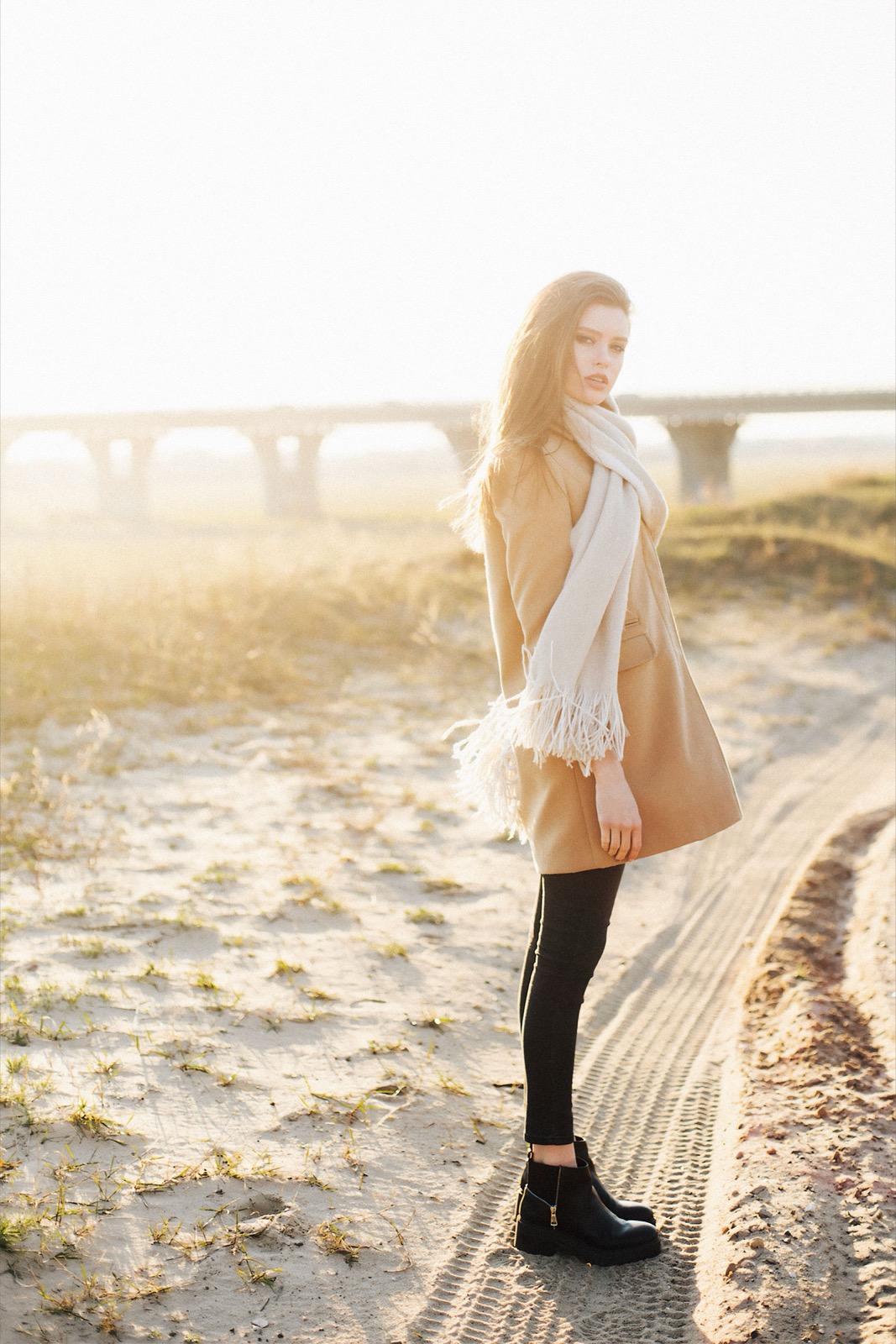
Dance references often draw attention to how clothing frames the torso and limbs. A shorter upper layer can make the waist more visible; a close-fitting top can contrast with a fuller bottom; a sleeve or neckline can change the focus around the face. You can explore those relationships with clothes already available to you. The important decision is the relationship between the shapes, not whether every piece shares the collaboration's label.
Try a shorter cardigan over a simple dress, or a more fitted top with relaxed trousers. Add the outerwear you will actually need and check whether the combination still works. The photograph of a complete campaign look may not include the coat, practical bag or weather-appropriate shoes that your day requires. A successful translation leaves room for those objects instead of treating them as interruptions to the intended effect.
A ruffle, a print or a strong colour can give a functional-looking garment a different mood. The detail becomes more legible when it has some quiet space around it. If the top is expressive, plain trousers may be enough. If the accessory is the focal point, keep the rest familiar. This is not a rule against maximalism; it is a way to understand which element is creating the appeal before adding several others.
The same logic can help with shopping. Ask what you would miss if the decorative detail disappeared. If the answer is everything, you may be buying a statement piece rather than a useful basic. That can still be a worthwhile choice, but it should be described honestly to yourself. A statement piece does not need to justify itself as an essential, and an essential should not require constant styling work simply to become wearable.
Brand collaborations are designed to make a clear impression. The complete visual world can be persuasive because it resolves colour, shape and mood in one place. A personal wardrobe is less orderly. It contains clothes from different years, different budgets and different versions of the wearer. The useful question is how one new piece would enter that existing mixture, not how closely the mixture can be rearranged to resemble a campaign.
Before buying, identify three existing garments that would work with the piece. Include something practical, such as the coat or bag you use most often. If the item only makes sense alongside other purchases from the same collection, the real cost of the idea may be larger than the price of the first garment. A strong collaboration can inspire a look without requiring you to buy the whole visual argument.
The launch date is a fact; current availability is a separate question. Check the brand's regional product pages for the market where you intend to shop, including sizing, delivery and return conditions. Do not assume that a piece pictured in coverage remains available in every size or location. Equally, a limited collaboration does not mean you must decide before you have considered fit and usefulness. Scarcity can make a choice feel important without making it appropriate.
Avoid relying on predictions that a product will sell out or become collectible. Those claims can turn a clothing decision into speculation. The more durable question is whether you would want the garment if it were available without fanfare. If the design still appeals under that quieter condition, you have a clearer reason to consider it. If the excitement depends mainly on the launch, waiting may help separate interest from pressure.
The lasting value of the dancewear conversation is not necessarily a specific item. It is the reminder that clothes can support movement and expression at the same time, and that a practical shape can be reconsidered through proportion or detail. That is an idea worth testing in ordinary outfits. It does not require a claim that every product achieves the same balance for every wearer.
GANNI and lululemon's collaboration gives that conversation a visible current example. For the reader, the useful response is selective: understand the design reference, decide which part speaks to your own wardrobe and verify the practical information before purchasing. A successful outfit should still make sense when the launch has stopped being news. The best borrowed idea is the one that continues to help you get dressed after the campaign has moved on.
WINTER WARDROBE
Compare these current collections with the shapes and layers you already wear.
ARKET’s wool-coat category gives you several silhouettes to compare, from a shorter peacoat to belted and oversized shapes. The most useful choice is the one that accommodates your normal layers and daily routine.
Boden is worth browsing when you want your coat to contribute colour or a clear shape to an everyday outfit. Compare its wool-coat and funnel-neck options with your preferred hem length, and check how much room you need for a knit underneath.
OUR WRITERSJohn BlosteRead more from John Bloste on Her & Bloom Daily.
All stories by John Bloste ↗